.jpg)

OUR SERVICES

Consulting & Owner's Engineering
We represent the owner's technical interest from feasibility through commissioning — before decisions get expensive to reverse.
- Owner's Engineering & Owner's Rep Services
- Project Feasibility Studies
- Planning & Development Support
- Zoning, Land Use & Ordinance Assessments
- Permitting Coordination & Management
- Independent Design Review & Constructability Review
- Construction Administration Support
- Technical & RFI Support
- Field Site Visits & Installation Verification
Designed to: AHJ pre-application coordination, NFPA 855 hazard mitigation analysis support, UL and IEC product standards review.

Civil
Engineering
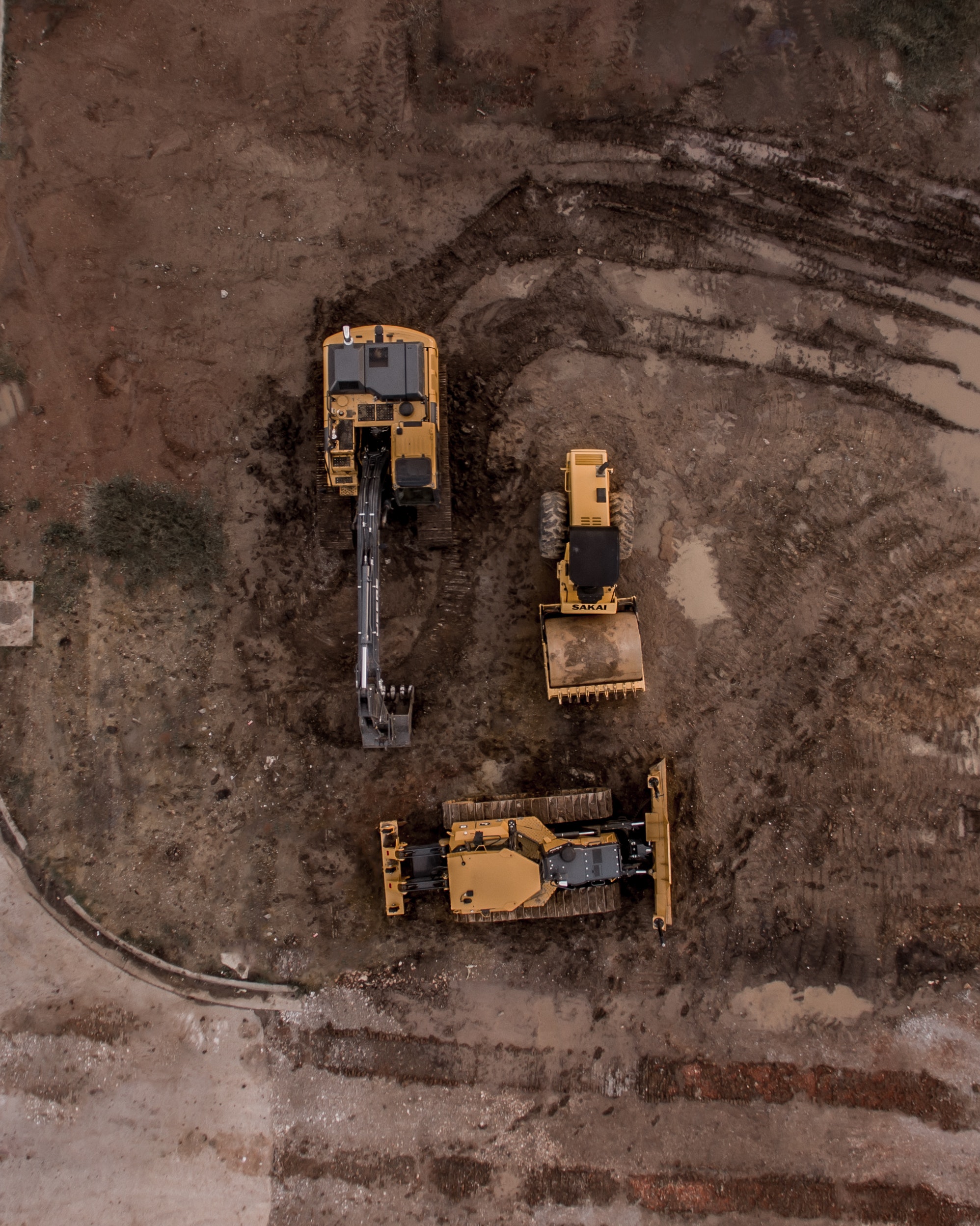
We design the site so the equipment lands where it is supposed to, drains properly, and clears review the first time.
- Full Grading & Drainage Plans
- Erosion & Sedimentation Control Plans
- Hydrology, Hydraulics & 2D Flow Analyses
- Utility Crossing Designs
- Water Quality Management Plans
- Traffic & Dust Control Plans
- SPCC Plans
- NPDES Compliance, SWPPP, QSD/P
- Roadway & Entrance Designs
Designed to: NPDES and SWPPP requirements, local MS4 and grading ordinances, ASCE 24 on flood-prone sites.
Structural & Foundation Engineering
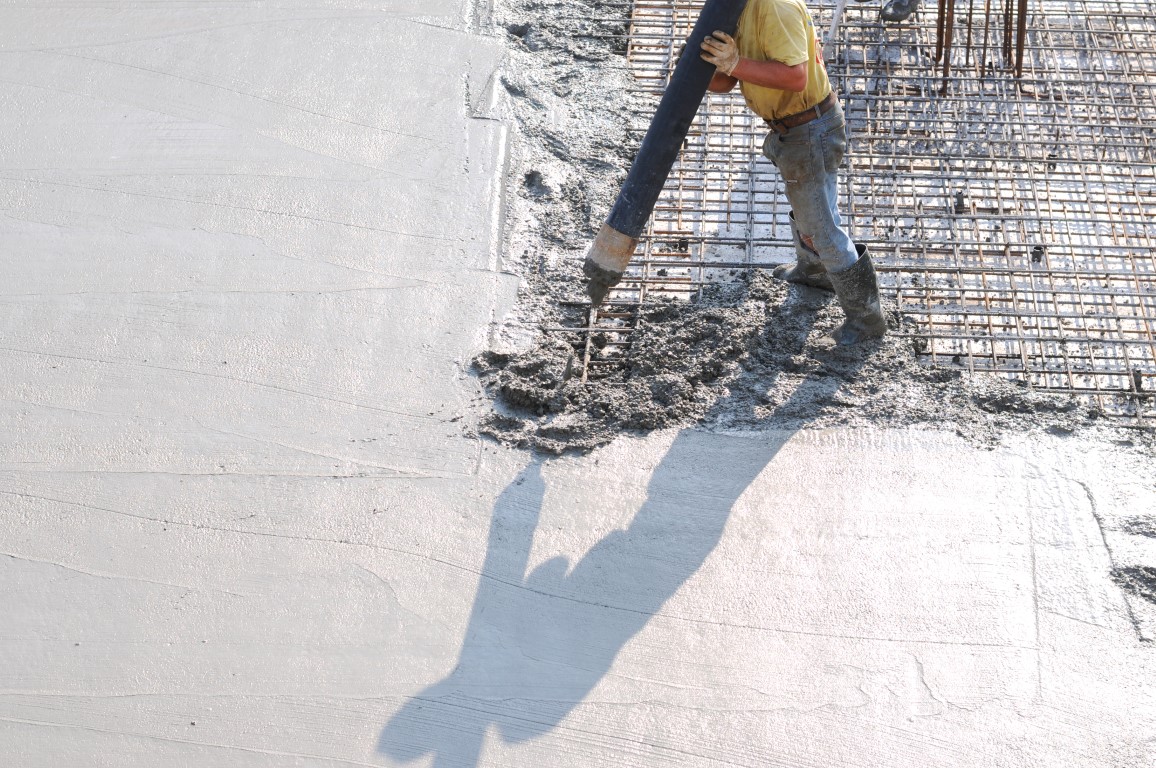
Foundations are the line item where storage projects quietly lose money. We optimize them — and we own the geotechnical basis they are built on.
- Geotechnical Assessments & Pile Test Program Development
- Equipment Foundation Designs (Enclosures, Transformers, Inverters, Switchgear)
- Shallow Foundations (Mats, Grade Beams & Ballasted Slabs)
- Deep Foundations (Driven & Helical Piles)
- Precast Pad Design & Sourcing Coordination
- Pile Staking, Installation & Remediation Plans
- Equipment Rack & Support Steel Design
- Perimeter Fencing Designs
Designed to: ASCE 7 seismic and wind, IBC, ACI 318, AISC 360, and IEEE 693 qualification where electrical equipment supports require it.
.jpg)
Electrical & Power Engineering
AC and DC design from the battery terminals to the point of interconnection, coordinated with the civil and structural package rather than handed off to it.
- Single-Line Diagrams & Electrical Design Packages
- MV & DC Collection Design
- Auxiliary & Station Power Design
- Equipment Specification & Vendor Submittal Review
- Interconnection Application Support & Utility Coordination
- Protection & Coordination Studies
- Arc Flash, Short Circuit & Load Flow Studies
- Grounding & Lightning Protection Design
- Conduit, Cable Routing & Raceway Design
Designed to: NEC (NFPA 70), NFPA 855, NFPA 68 and 69, UL 9540 and UL 9540A, IEEE 1547 and IEEE 519.
CODES & STANDARDS WE DESIGN TO
ASCE 7 · IBC · ACI 318 · AISC 360 · IEEE 693 · NEC (NFPA 70) · NFPA 855 · NFPA 68 / 69 · UL 9540 · UL 9540A · IEEE 1547 · IEEE 519 · NPDES / SWPPP · ASCE 24
Every package is prepared under the responsible charge of a licensed engineer who has been on the project since conception — not brought in to sign a finished set.
MARKETS WE SERVE
Standalone BESS
Front-of-meter storage from tens of megawatt-hours to utility scale. Foundation optimization, site civil, and owner's-side technical risk management on the schedule the interconnection queue dictates.
Solar + Storage
AC- and DC-coupled hybrid sites, where the storage block has to share grading, drainage and interconnection with an existing or concurrent PV array.
Substation & Interconnection
Civil and structural design for the substation yard, equipment supports and access roads, coordinated with the electrical scope and the interconnecting utility's requirements.
C&I, Microgrid & Data Center
Behind-the-meter storage on constrained sites, where the structural condition of what is already there governs what is possible.
SINCE 2012
45+
COLLECTIVE YEARS OF EXPERIENCE
350+
COMMERCIAL PROJECTS SUPPORTED
85%
BUSINESS FROM REPEAT CLIENTS
800MWh
LARGEST ENERGY STORAGE CAPACITY SUPPORTED
100%
EPLOYEE OWNED
RECENT PROJECTS
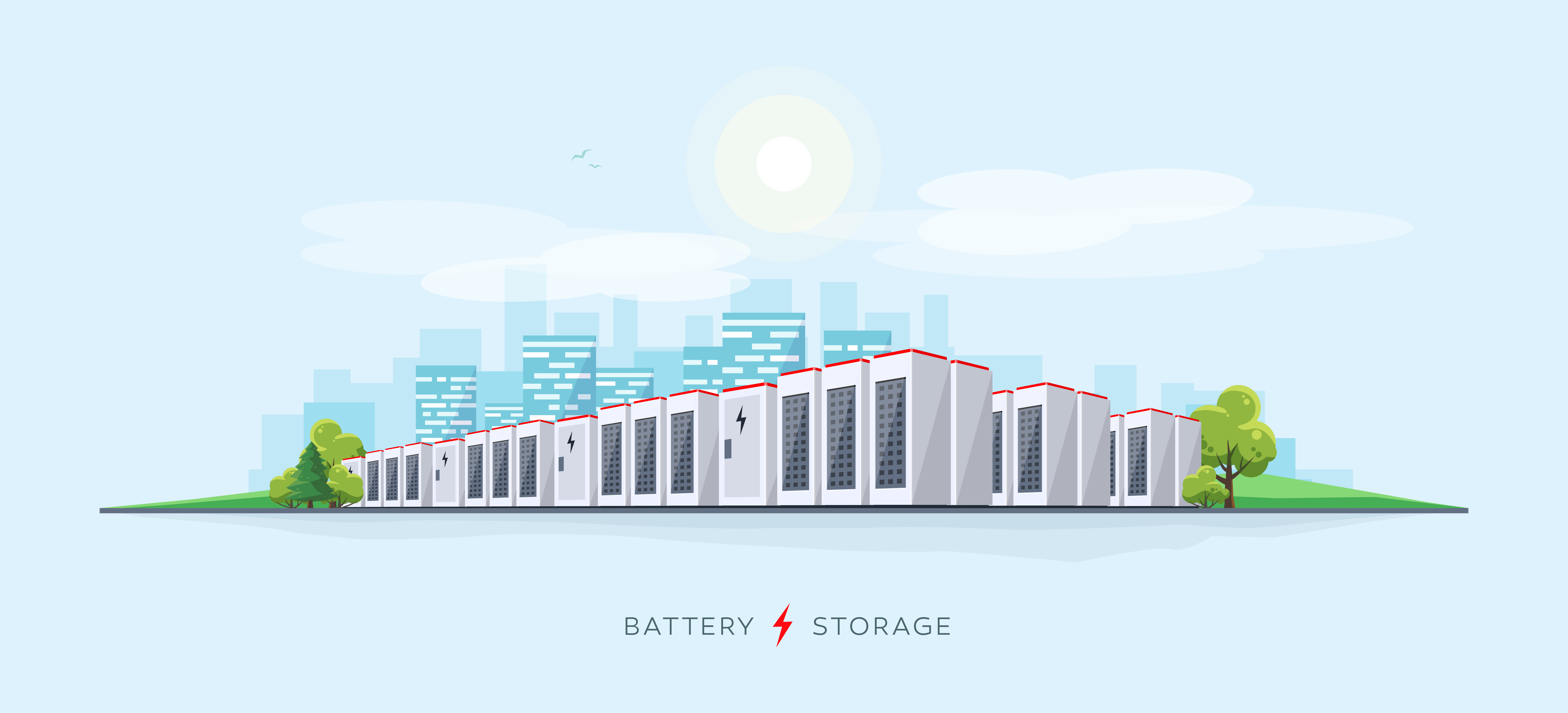
Energy Storage Project
- Location: Pittsburg, California
- Installed: 2021
- Project Capacity: 200MW / 800 MWh
- Services Provided: Structural Engineering consulting services and Construction Administration support.
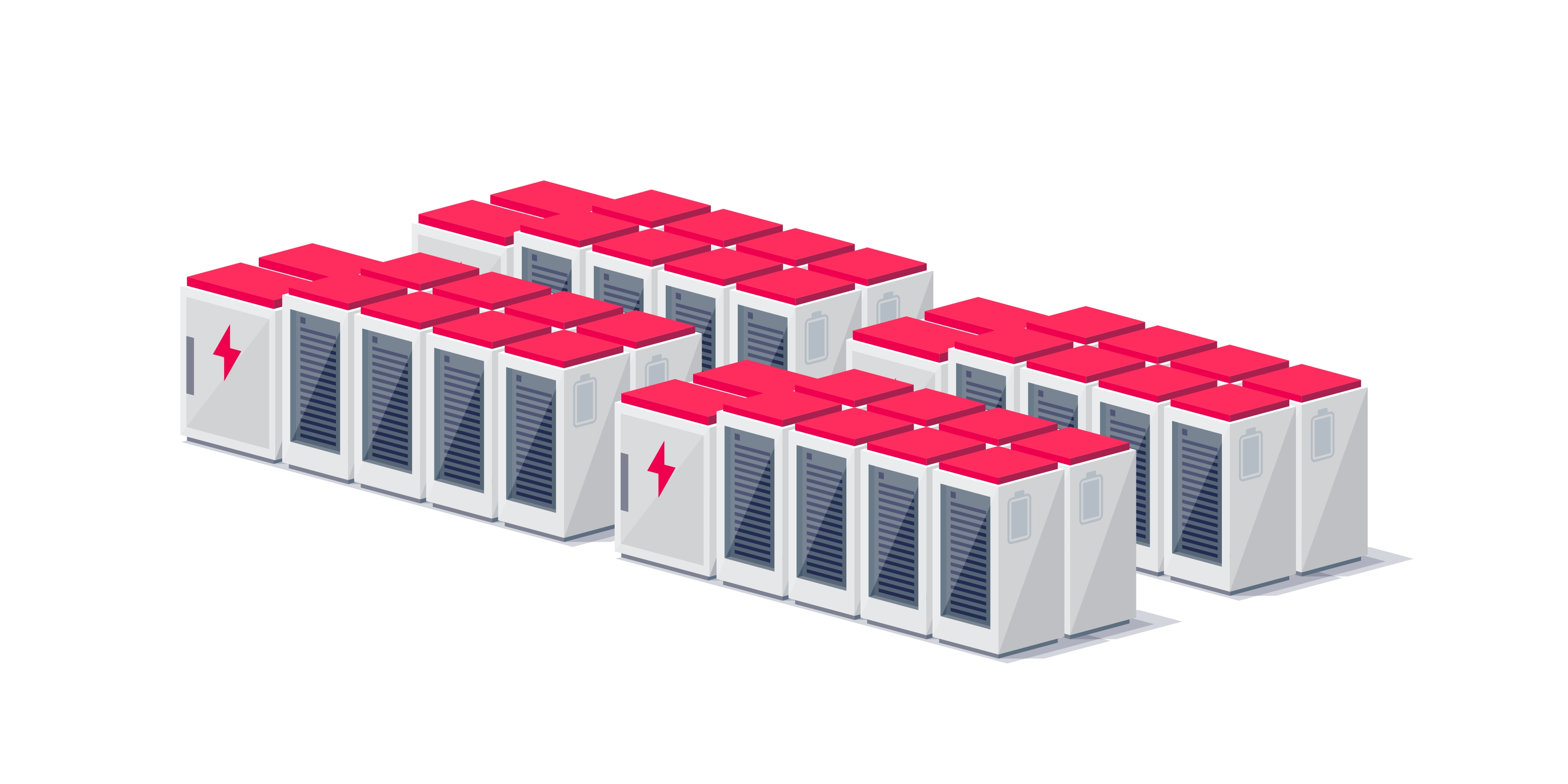
Energy Storage Project
- Location: Lancaster, California
- Installed: 2021
- Project Capacity: 400 MWh
- Services Provided: Structural Engineering consulting services and Construction Administration support.
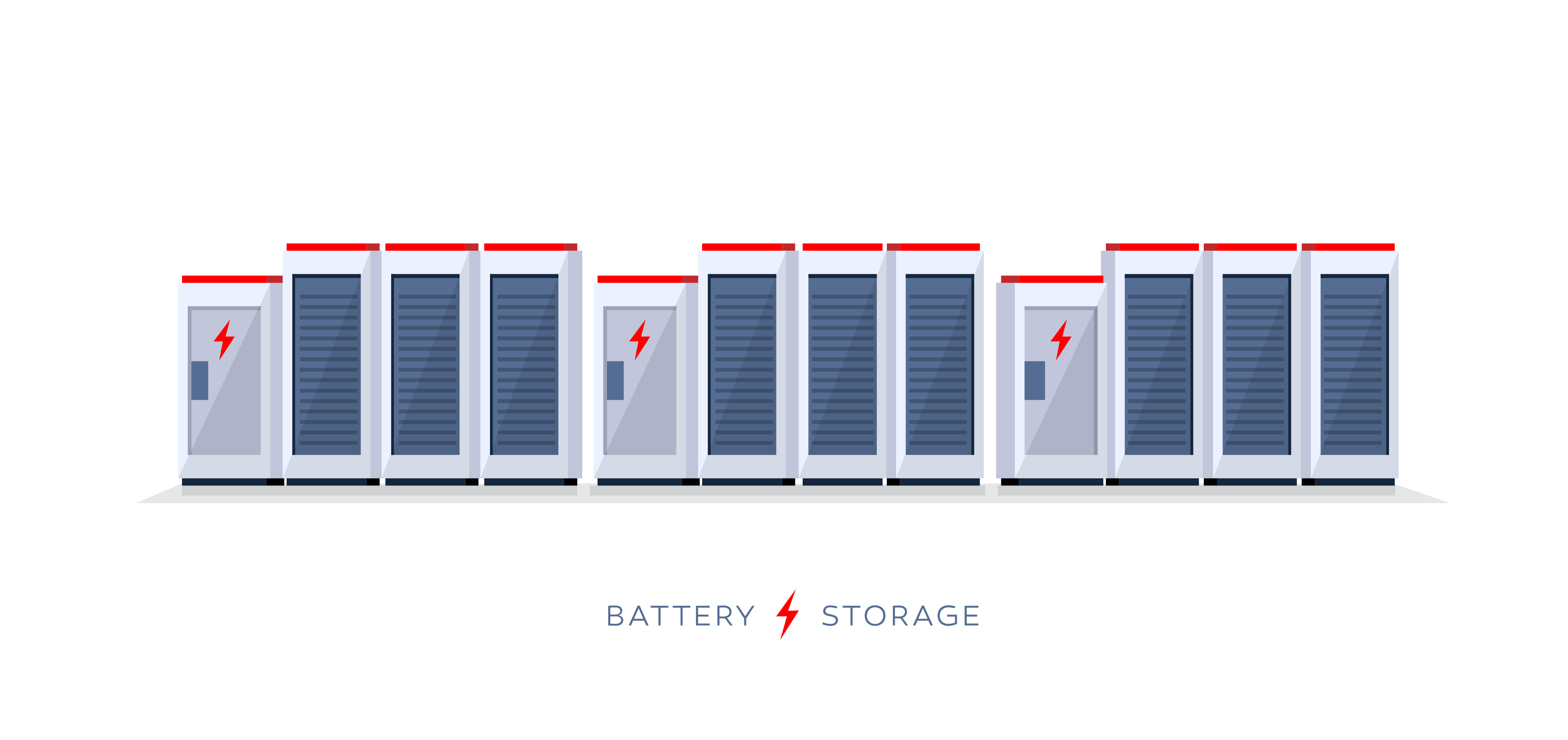
Energy Storage Project
- Location: Inyo County, California
- Installed: In Construction (2022)
- Project Capacity: 60 MW / 240 MWh
- Services Provided: Structural Engineering consulting services and Construction Administration support.
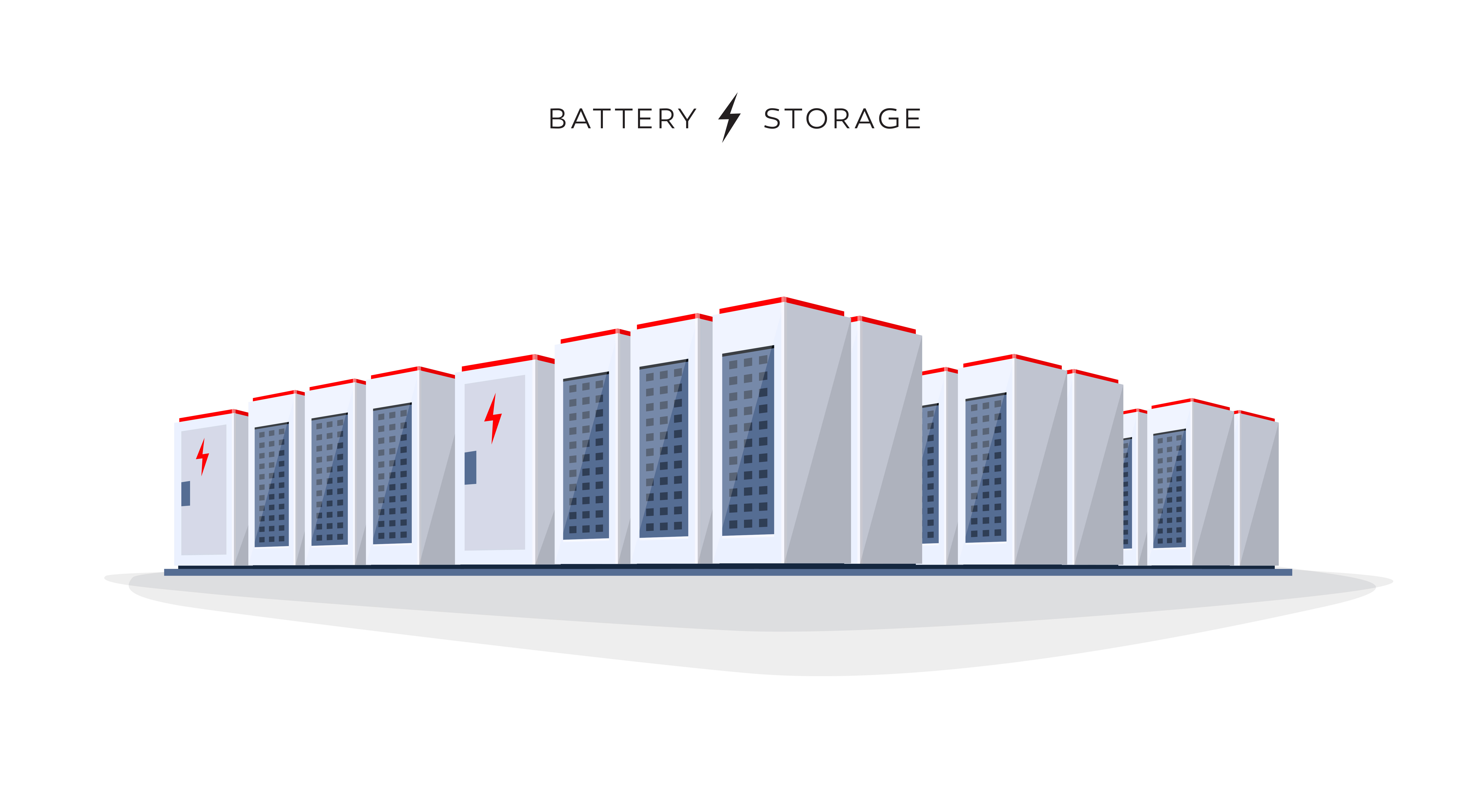
Energy Storage Project
- Location: Victorville, California
- Installed: In Construction (2022)
- Project Capacity: 50 MW / 200 MWh
- Services Provided: Structural Engineering consulting services and Construction Administration support.
Our goals for each project
Increase Speed
We understand the industry's need for fast turnaround times at the design phase as well as during construction.
Minimize Cost
EcoGen Consultants LLC provides innovative cost-effective solutions specifically catered for renewable energy and energy storage solutions.
Improve Quality
We take pride in our commitment to quality service, both technically and personally, in today's challenging construction environment.
WHERE WE PROVIDE SERVICES
We are licensed (PE and SE licenses) in several states throughout the USA including:
California, Arizona, Illinois, Washington DC, Virginia, Maryland, Pennsylvania, Florida.
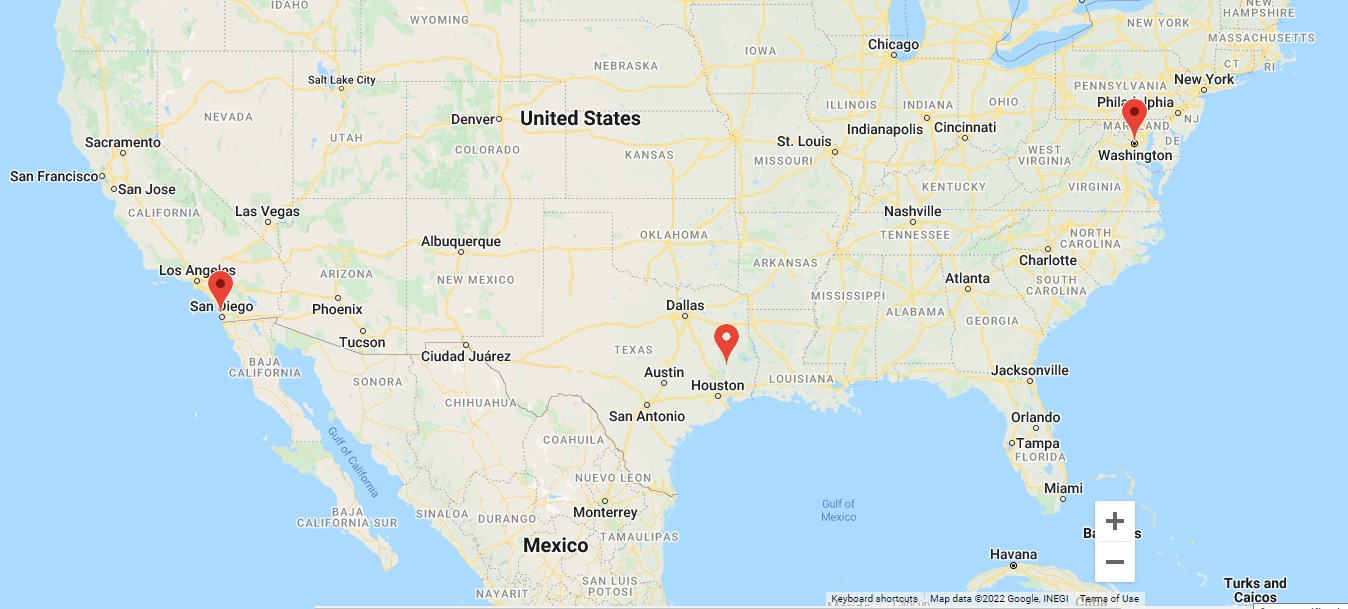
We work from the Washington DC area and San Diego, CA. Mail and correspondence go to our Texas address.
QUESTIONS WE GET BEFORE THE FIRST ENGAGEMENT
What does an owner's engineer actually do on a BESS project?
We represent your technical interest against the EPC's and the integrator's. In practice that means setting the design basis before it gets set for you, reviewing what the EPC produces against it, catching conflicts between the electrical, civil and structural packages while they are still drawings, and verifying in the field that what got built matches what was approved. We work from conception — not as a signature on a finished set.
Can you stamp drawings for my project?
We hold both Professional Engineer and Structural Engineer licensure and carry professional liability coverage. Tell us the jurisdiction and we will confirm licensure and reciprocity before you commit to a schedule — and we will tell you plainly if the answer is no.
Who designs the foundations, you or the EPC?
Either, and the distinction matters. As engineer of record we produce the geotechnical basis, the pile test program and the sealed foundation package. As owner's engineer we review the EPC's design and challenge the assumptions that drive cost — bearing values, pile embedment, pad thickness and connection count. Most of the money in a storage foundation is decided in those four numbers.
How do you handle NFPA 855 and fire code review?
NFPA 855 drives separation distances, which drive the site layout, which drives the grading and the foundation count. We coordinate the hazard mitigation analysis and the UL 9540A test data with the authority having jurisdiction early enough that the layout does not have to be redrawn. Treating it as a permitting task at the end is how projects lose a quarter.
What do you need from me to price a foundation package?
A site plan or equipment layout, the equipment cut sheets or enclosure loads, and the geotechnical report if one exists. If it does not, we will scope the investigation. From those three we can give you a fee and a schedule, usually within two business days.
How fast can you turn a 30% design?
The first set for a new client takes longer, because we are still absorbing your standards, templates and documentation requirements. Once that onboarding is complete, we typically turn a 30% drawing set in one to two weeks.
We Would Love To Hear From You
Contact us with the form below
Thank you! Your submission has been received!
Oops! Something went wrong while submitting the form.

MAILING ADDRESS
EcoGen Consultants LLC
101 Rainbow Drive PMB 7780
Livingston, TX 77399
EcoGen Consultants LLC
101 Rainbow Drive PMB 7780
Livingston, TX 77399

Email: info@ecogenconsultants.com